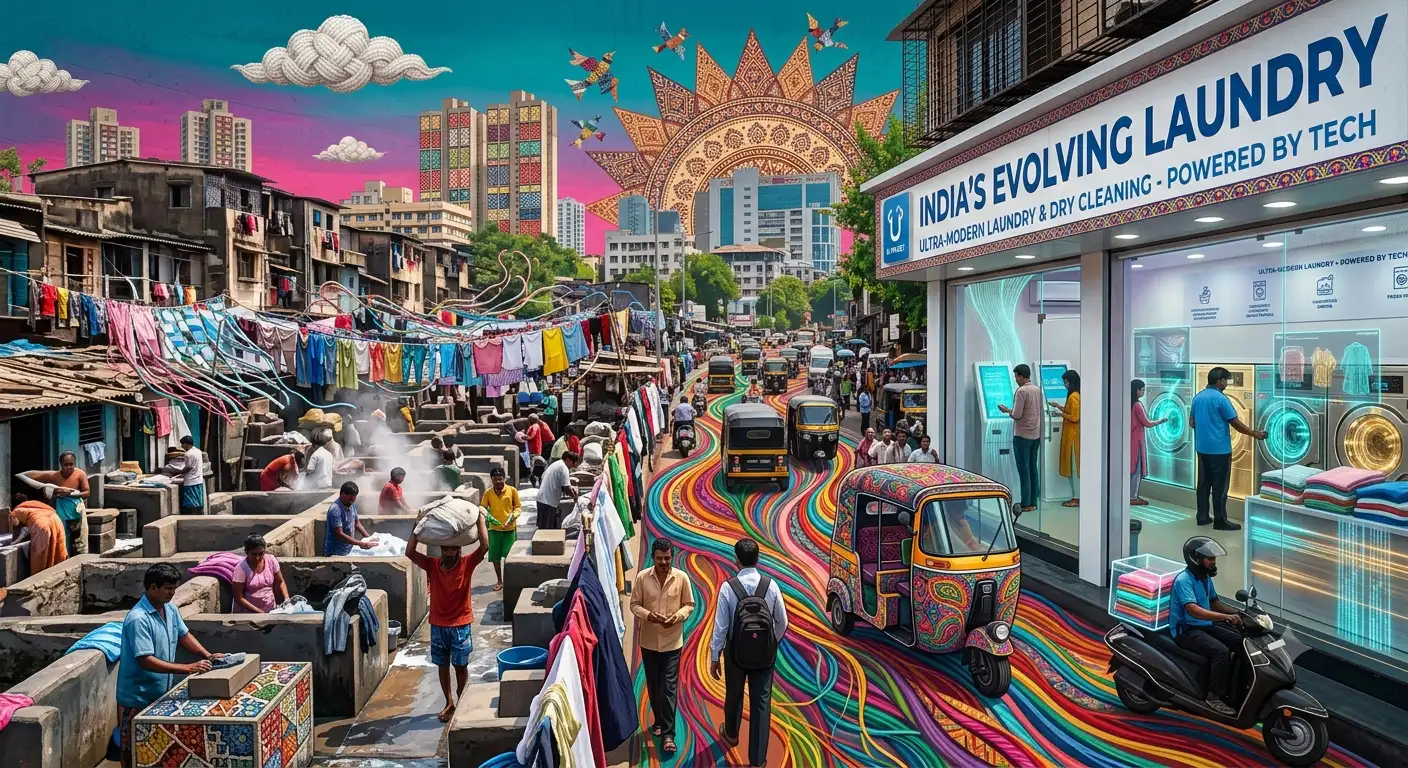
India's laundry market is undergoing one of its most significant transformations, driven not merely by product innovation but by a fundamental shift in consumer behaviour. Once dominated by price sensitivity and stain-removal claims, the category has evolved into a lifestyle-driven market where consumers evaluate brands based on fabric care, fragrance, skin safety, sustainability, convenience, and emotional trust. Laundry is no longer perceived as a routine household chore; it has become an integral part of personal care, family well-being, and self-expression. Over the next five years, the competitive advantage in the industry will no longer belong to brands that simply clean better, but to those that understand consumers more deeply.
Every day, millions of washing machines and hand-wash routines across Indian households reflect changing aspirations. Behind every wash cycle lies a series of conscious decisions about protecting expensive garments, preserving fabric quality, ensuring children's safety, and maintaining personal confidence. Today's consumers rarely ask which detergent produces the most foam or removes the toughest stains. Instead, they seek products that extend garment life, leave long-lasting fragrance, are gentle on sensitive skin, support washing machine performance, and align with their modern lifestyles. This shift represents a move from functional purchasing to emotionally informed decision-making.
Indian consumers have become significantly more informed and digitally connected than ever before. Before making a purchase, they compare brands, read online reviews, watch influencer recommendations, seek opinions from friends and family, and evaluate product claims across e-commerce platforms. The purchase journey now extends far beyond the retail shelf. Consumers are increasingly looking for complete fabric care solutions rather than just detergents. Value is no longer measured only by price; it is determined by performance, convenience, trust, health benefits, and long-term garment protection.
Consumer motivations also differ across demographic groups. Women, who traditionally have been the primary decision-makers in household laundry purchases, continue to prioritise stain removal, fabric longevity, child-safe formulations, fragrance retention, and overall family care. Laundry, for many women, represents an extension of nurturing and responsibility. Meanwhile, urban male consumers particularly millennials and Gen Z professionals living independently are emerging as a rapidly growing customer segment. Their priorities revolve around ease of use, premium fragrances, liquid detergents, quick wash performance, and specialised care for office wear, gym apparel, and premium fabrics. For them, laundry has become an extension of personal grooming and lifestyle management.
The Indian market is also witnessing rapid premiumisation. Consumers are increasingly moving beyond a single all-purpose detergent towards specialised products such as liquid detergents, fabric conditioners, baby laundry solutions, antibacterial detergents, sportswear cleaners, delicate fabric washes, fragrance boosters, and eco-friendly formulations. The traditional concept of "one detergent for every fabric" is gradually giving way to a segmented fabric care ecosystem, creating new opportunities for premium brands and innovation-led product categories.
Brand selection today is driven as much by psychology as by product performance. Consumers generally assume that every established detergent brand will clean clothes effectively. The real differentiation now lies in the overall experience a brand delivers. Buyers evaluate whether a product feels premium, offers a distinctive fragrance, protects expensive garments, reflects modern values, and can be trusted consistently. Functional performance has become the minimum expectation, while emotional relevance has become the true competitive advantage.
Digital platforms are reshaping how Indian consumers discover and evaluate laundry brands. Purchase decisions are often made long before shoppers enter a supermarket or visit an online marketplace. Social media creators, parenting communities, dermatologists, home organisation influencers, and authentic customer reviews increasingly influence buying behaviour. In this environment, user experience and credibility often carry greater weight than traditional advertising campaigns.
Over the next five years, India's laundry industry is expected to witness accelerated adoption of liquid detergents, rapid expansion of premium fabric care categories, increasing demand for sustainable and low-water formulations, stronger growth in e-commerce and direct-to-consumer brands, and greater integration with smart washing technologies. Consumers will seek personalised solutions tailored to different fabrics, lifestyles, and household needs rather than generic cleaning products.
This transformation presents both opportunities and challenges for leading brands such as Surf Excel, Ariel, Tide, Wheel, Rin, Ghadi, Nirma, Henko, Fena, and Godrej Ezee, while simultaneously creating significant room for regional players that continue to enjoy strong consumer trust through competitive pricing, local relevance, and deep retail penetration. The next phase of competition will not be won through superior cleaning performance alone but through superior consumer understanding, meaningful innovation, and sustained emotional engagement.
Ultimately, India's laundry market is no longer just about detergents. It is about trust, care, confidence, sustainability, and lifestyle. Brands that continue to compete only on stain removal and pricing may remain relevant in the short term. However, those that successfully connect with consumers' aspirations, protect their most valued possessions, and deliver consistent, holistic fabric care experiences will define the future of the category. The brands that win tomorrow will not simply remove stains they will earn trust with every wash.