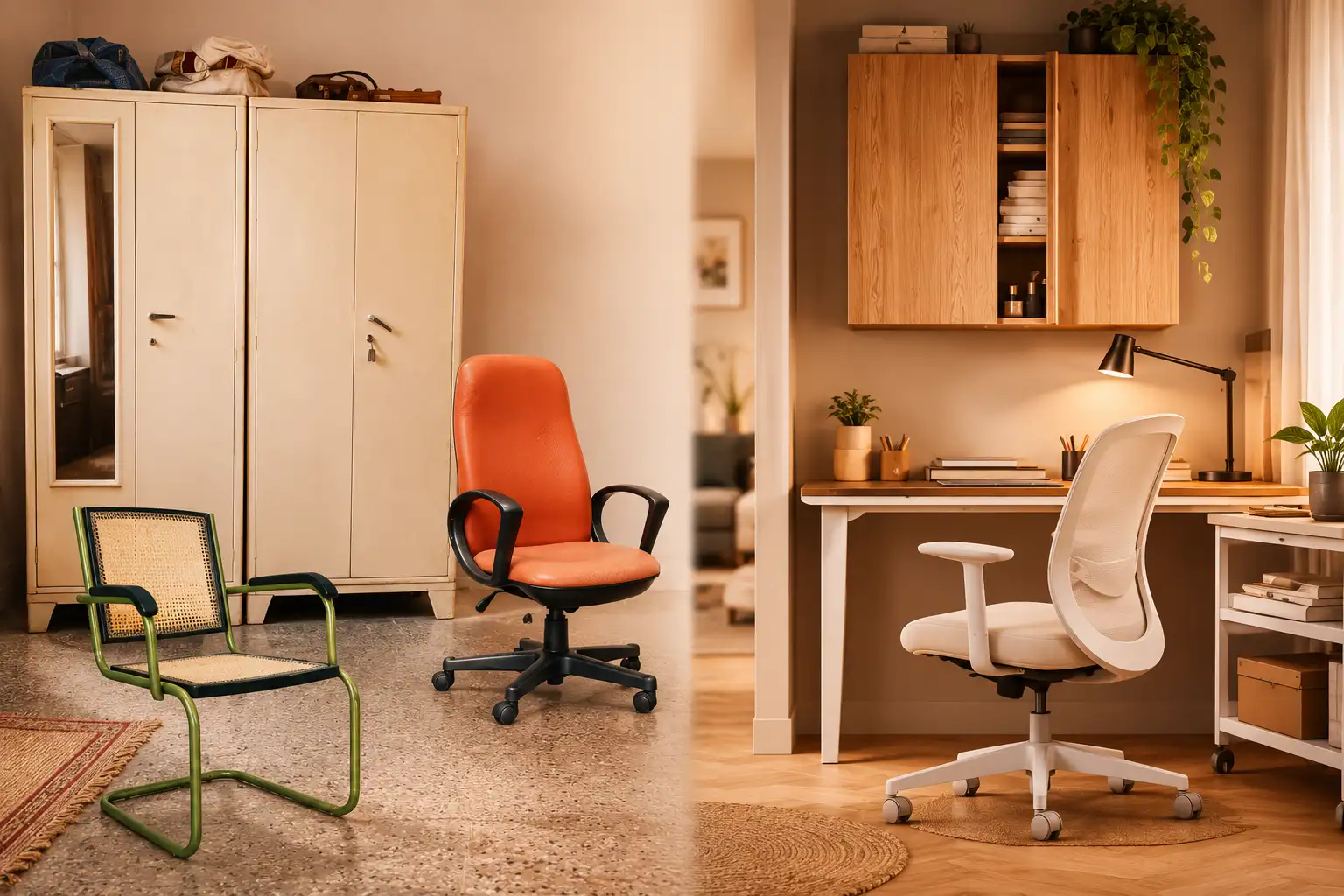
India’s interior and furniture industry is witnessing a significant transformation. Furniture is no longer seen as a one-time lifetime investment but has evolved into a lifestyle choice that reflects personality, comfort, and aspirations. With rising disposable incomes, urbanization, nuclear families, hybrid work culture, and growing exposure to global design trends through social media, Indian consumers are redefining the way they design and experience their homes.
Earlier, furniture purchases were driven mainly by major life events such as marriage, buying a new house, or renovation after many years. Today, consumers are upgrading their homes more frequently, looking for furniture that matches their lifestyle, aesthetics, and changing needs. The home has become an extension of personal identity, where every element—from sofas and beds to lighting and décor communicates individual taste and values.
The biggest shift in consumer psychology is the movement from luxury to comfort. Modern buyers are prioritizing ergonomic designs, wellness-focused spaces, smart storage solutions, and multifunctional furniture. As urban homes become smaller, especially in metropolitan and Tier-II cities, space-saving furniture such as sofa beds, modular wardrobes, storage beds, foldable dining tables, and compact workstations are gaining strong acceptance.
The rise of work-from-home and hybrid work culture has also changed furniture consumption patterns. A dining table is no longer just a dining table; it has become a workspace. Bedrooms have become multi-purpose zones. Consumers are investing in comfortable chairs, study units, and home office solutions that support productivity and well-being.
The organized furniture market in India has seen strong growth with brands like Nilkamal, IKEA, Godrej Interio, Durian, Pepperfry, Urban Ladder, Home Centre, and Livspace shaping the category. Each brand is addressing a different consumer need—from affordability and convenience to premium design experiences.
Nilkamal, traditionally known for plastic furniture, has successfully expanded into complete home solutions through its furniture retail business. Its strength lies in affordability, durability, and accessibility across Indian markets. IKEA has brought a global design philosophy to India while adapting to Indian lifestyles through localized products, smaller urban formats, and solutions designed for compact homes. Godrej Interio continues to leverage decades of trust with a focus on quality, ergonomics, and sustainable manufacturing.
Pepperfry and Urban Ladder have played a major role in changing consumer behavior by making furniture discovery and buying easier online. Their omnichannel models, combining digital convenience with physical experience centres, have reduced hesitation around online furniture purchases. Livspace represents the next evolution of the industry by moving beyond furniture sales into complete interior design solutions, where consumers seek professional guidance, customization, and end-to-end execution.
Another major trend is the growth of décor as a category. Consumers are not only buying furniture but also investing in lighting, wall art, rugs, plants, mirrors, soft furnishings, and accessories to refresh their living spaces. The modern Indian consumer wants a home that feels personalized rather than simply expensive.
Social media has accelerated this change. Platforms like Instagram, Pinterest, and YouTube have transformed interior inspiration into a daily experience. Consumers now enter stores with clear references and expectations about styles such as minimalism, Japandi, earthy interiors, sustainable décor, and contemporary Indian design.
Technology will play an important role in the next phase of growth. AI-powered room planners, augmented reality visualization, virtual consultations, and 3D interior tools are helping consumers imagine their spaces before making a purchase decision. The future furniture journey will increasingly combine digital discovery with physical experience.
Sustainability is also becoming a key purchase factor, especially among younger consumers. Buyers are becoming more conscious about responsible sourcing, recycled materials, durability, and environmentally friendly manufacturing. Brands that combine design, quality, and sustainability will build stronger emotional connections.
Looking at the next six months, the Indian interior market is expected to see continued momentum in modular furniture, premium affordable designs, Tier-II and Tier-III city expansion, online-to-offline shopping journeys, and personalized interior solutions. Consumers will increasingly demand convenience, customization, and complete experiences rather than just products.
The biggest opportunity for furniture brands will not only be manufacturing better products but also understanding human behavior better. The winning brands will be those that understand that a home is no longer just a physical space; it is an emotional space, a workplace, a place of entertainment, and a reflection of personal identity.
The future question for consumers will not simply be, “Which furniture should I buy?”
It will be, “Which brand understands the way I want to live?”