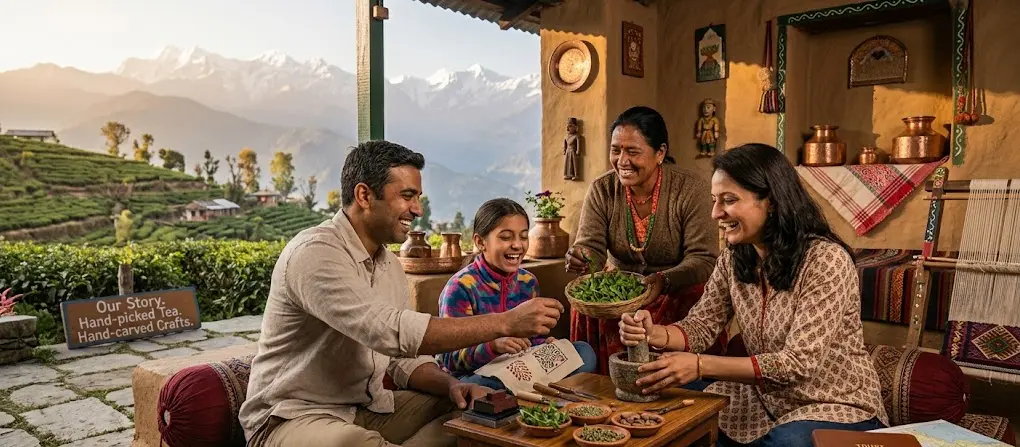
India’s travel industry is going through a remarkable transformation. Travel today is no longer limited to visiting a destination, booking a hotel, or purchasing a holiday package. It has become a form of self-expression, personal discovery, and emotional investment. The modern Indian traveller is not just spending money on a trip; they are investing in memories, experiences, and moments that become a part of their life story.
A few years ago, travel for Indian families was mostly an annual activity planned around school holidays, budgets, and popular tourist destinations. However, the mindset of today’s traveller has changed significantly. The new generation is looking for short escapes, personalised journeys, unique experiences, and meaningful connections with places. They are not only asking “Where should I go?” but also “What will I experience there?” and “How will this journey make me feel?”
This shift has created a new era for the Indian travel industry, where brands such as MakeMyTrip, Thomas Cook India, SOTC Travel, Thrillophilia, Veena World, and destination specialists like Touracle are moving beyond selling packages. They are now selling trust, emotions, convenience, and memorable experiences. The future of travel will not be decided only by the number of destinations a brand offers, but by how deeply it understands the aspirations and emotions of travellers.
India is emerging as one of the fastest-growing travel markets globally, supported by rising disposable income, a young population, digital adoption, and increasing aspirations among consumers. Travel is gradually moving from being considered a luxury activity to becoming a lifestyle choice. Consumers from Tier-2 and Tier-3 cities, young professionals, entrepreneurs, and middle-class families are increasingly becoming active participants in the travel economy.
The Indian traveller today does not simply want to visit a place; they want to feel connected with it. They do not just want photographs; they want stories. They do not just want hotels; they want experiences. A Kerala trip is not only about backwaters anymore; it can represent relaxation, romance, and wellness. A Himalayan journey is not only about mountains; it can represent adventure, freedom, and self-discovery. A family vacation is not only about sightseeing; it is about creating memories that stay forever.
One of the biggest changes in travel behaviour is the movement from a price-driven mindset to an experience-driven mindset. Earlier, consumers primarily focused on the cost of a holiday. Today, they are willing to spend more if the journey offers emotional value. The question has changed from “How affordable is this package?” to “How meaningful will this experience be?” This change has created the rise of the experience economy in travel.
Modern travellers are looking for authentic experiences such as local food, hidden destinations, cultural journeys, adventure activities, wildlife experiences, village tourism, wellness retreats, and slow travel. They no longer want to be passive tourists who simply visit famous places. They want to become part of the destination, understand local culture, meet people, and create personal stories.
The younger generation, especially Gen Z and Millennials, has played a major role in changing travel behaviour. For them, travel represents freedom, identity, creativity, and self-expression. Social media platforms like Instagram and YouTube have completely changed the way destinations are discovered. Earlier, people depended on travel agents or recommendations from family and friends. Today, a viral video, a creator’s story, or a unique travel experience can inspire millions of people.
Social media has transformed destinations into brands. A hidden café, a remote village, a mountain trail, or a cultural festival can become a dream destination overnight. The traveller is no longer looking only for famous locations; they are looking for unique stories that they can experience and share.
Family travel, one of India’s strongest travel segments, is also evolving. The new Indian family traveller wants more than a standard holiday package. They are looking for safety, comfort, personalised itineraries, quality family time, and meaningful experiences. Parents today want travel experiences that are enjoyable as well as educational for children. This is why traditional travel companies like Thomas Cook India and SOTC Travel are moving towards curated travel solutions rather than one-size-fits-all packages.
Another major trend shaping Indian travel is premiumisation. The Indian consumer is moving away from cheap travel towards value-driven travel. The cheapest option is no longer always the preferred option. Travellers are willing to spend more for better service, reliability, comfort, personal attention, and unique experiences. The future opportunity for travel brands lies in creating emotional value rather than competing only on price.
Trust has become the biggest currency in the travel industry. Travel is a high-involvement purchase because customers are trusting brands with their money, safety, family, and valuable time. Therefore, future travel brands will need to build stronger relationships through transparency, authentic reviews, real customer stories, video testimonials, and genuine communication.
The traditional travel brochure is losing its influence. Today, real customer experiences are becoming the strongest marketing tool. A satisfied traveller is no longer just a customer; they become a brand storyteller who influences future buyers.
While technology has made travel booking easier, it has also created another challenge, too many choices. Consumers today have access to thousands of destinations, hotels, and packages online. The problem is no longer finding options; the problem is choosing the right option. This is where destination specialists have a significant opportunity.
Large online platforms provide convenience and variety, but specialised travel companies provide expertise and confidence. A traveller believes that while a digital platform can provide multiple choices, a destination expert can provide the right recommendation. For brands like Touracle, specialising in Kerala, South India, and Andaman, deep destination knowledge and personalised service can become powerful differentiators.
The competition in the travel industry is no longer only about inventory, pricing, or the number of destinations. The real competition is about understanding human emotions. The winning brands will be those that understand why people travel, what memories they want to create, and what emotions they want to experience.
MakeMyTrip has built its strength around convenience, digital accessibility, and easy booking. Its future challenge will be moving beyond transactions and building deeper emotional relationships with travellers. Thomas Cook India continues to benefit from its legacy and trust, with opportunities in premium and personalised travel experiences. SOTC Travel remains strong among family and group travellers by providing confidence and hassle-free planning. Thrillophilia has successfully captured the younger traveller by focusing on adventure, experiences, and unique journeys.
For destination specialists like Touracle, the opportunity lies in becoming a trusted travel expert rather than another holiday package provider. The future positioning opportunity is not simply selling trips but designing meaningful journeys. The brand promise can move from “booking holidays” to “creating memories.”
Over the next five years, several trends will shape the future of travel. AI-powered travel planning will make journeys more personalised by understanding consumer preferences, interests, and budgets. However, technology alone will not replace human expertise. The future will belong to a combination of AI convenience and human confidence.
Slow travel will also gain importance as travellers look for deeper experiences rather than visiting multiple destinations quickly. Wellness tourism will continue to grow as people use travel for relaxation, mental well-being, Ayurveda, yoga, nature experiences, and digital detox. Women travellers and solo travellers will become a major growth segment, requiring brands to focus on safety, support, and community.
Luxury travel will also redefine itself. Luxury will no longer mean only expensive hotels or premium services. The new luxury will be privacy, authenticity, personal attention, and exclusive experiences. Consumers will value meaningful moments more than material luxury.
The future Indian traveller will broadly fall into different categories. The Explorer seeking adventure and discovery, the Conscious Family Traveller looking for comfort and memories, the Premium Experience Seeker searching for exclusivity, and the Wellness Traveller seeking peace and balance.
However, travel brands will also face challenges. Price competition will increase as online comparison becomes easier. Trust issues will remain a concern due to poor service experiences and unrealistic promises. Brands will also compete with travel influencers, content creators, and AI platforms for consumer attention.
The winning formula for future travel brands will be a combination of technology, trust, and human emotion. Technology will make travel easier, trust will influence decisions, and emotions will create long-term loyalty.
The future of Indian travel is not about selling destinations; it is about designing dreams. Kerala is not just about backwaters; it can become a honeymoon memory. The Himalayas are not just mountains; they can become a journey of self-discovery. A family holiday is not just a trip; it can become a story that remains for generations.
The brands that will win the next decade will be those that understand travellers as human beings, not just customers.
The future of travel is not about places. It is about people, emotions, and the memories they carry back home.ulture