India’s consumer market does not merely sell creams, oils, supplements, or treatments. It often sells something much more powerful: the hope of looking better, feeling better, being accepted, and becoming a better version of oneself. From fairness creams and height-enhancement products to hair-growth solutions, slimming products, anti-ageing creams, and sexual-wellness products, India has developed a large “Magical Promise Market.” The products are different, but the consumer psychology is remarkably similar: identify a perceived deficiency, create an emotional need, offer hope and promise transformation.
Fairness to Glow: Selling Confidence Through Skin
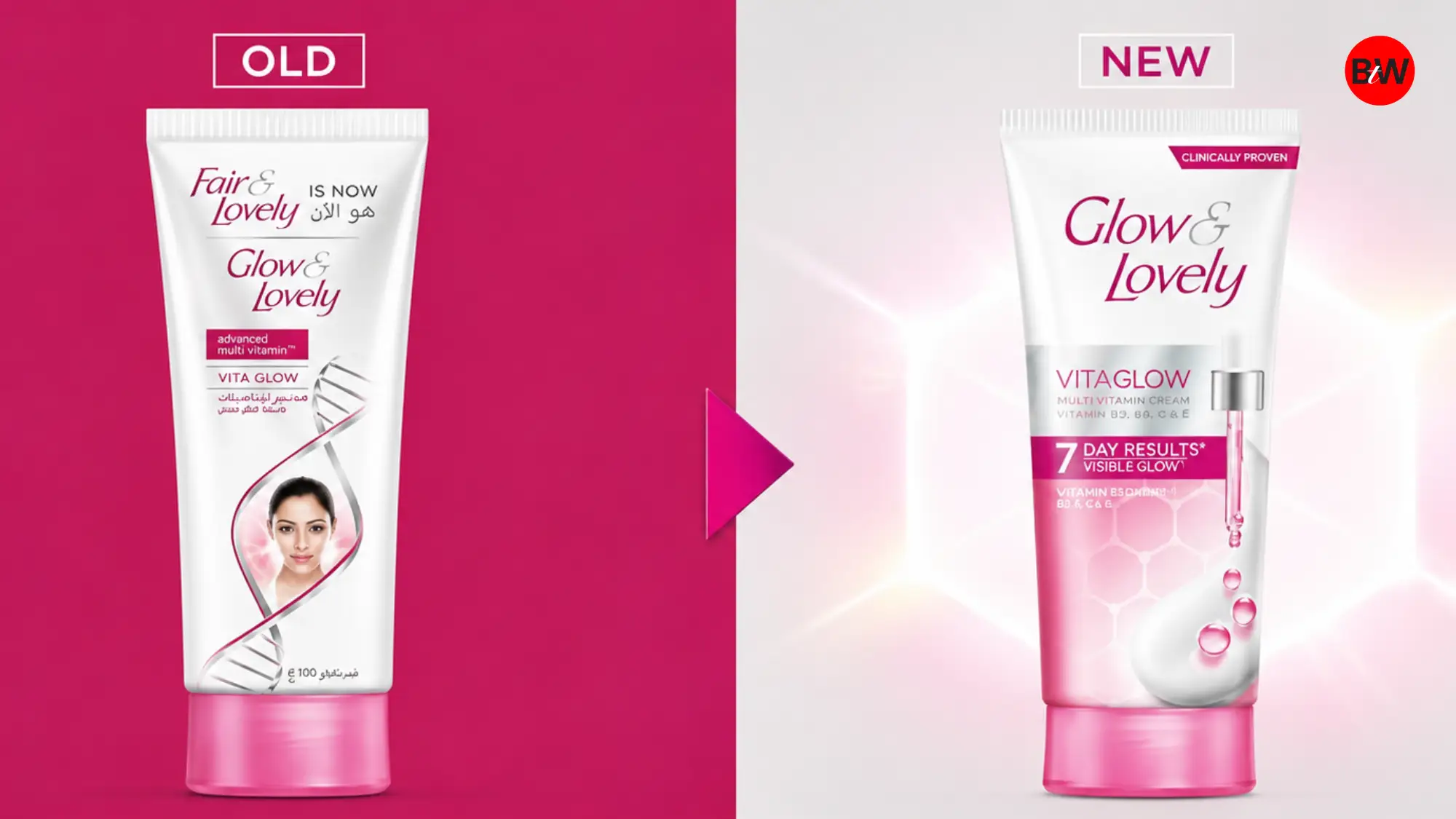
One of the strongest examples is Fair & Lovely. For decades, its advertising connected lighter skin with confidence, career opportunities, and social success. One well-known advertising narrative showed a father worried about his daughter’s darker complexion, followed by her transformation and professional success. It was not simply skincare advertising; it was an example of turning social insecurity into consumer aspiration.
In 2020, Hindustan Unilever renamed Fair & Lovely as Glow & Lovely and announced changes to its fairness-oriented communication.
Age: Selling Youth, Not Just Anti-Ageing
The ageing market is not really about wrinkles. It is about the fear of looking old. Anti-ageing creams, serums, hair colours and cosmetic solutions operate in this emotional territory. Weddings, professional meetings, photographs and social media become important use cases.
The advertising formula is often simple: Wrinkle → Anxiety → Youthful Transformation → Product
The brand is not merely selling a cream. It is selling the confidence of looking younger than one’s age
Hair: From Hair Loss to Identity Loss
Hair-care advertising often turns hair fall from a physical problem into an identity and attractiveness problem. Hair oils, shampoos, serums, anti-hair-fall treatments, and hair-growth solutions frequently use the mirror, falling hair, and the worried consumer as emotional triggers.
The use cases are everywhere: marriage, dating, interviews, premature greying, thinning hair, and photographs. The underlying thought is: “If I lose my hair, will I also lose my attractiveness or youthful appearance?”
That is why many hair advertisements show the emotional problem before showing the product.
Body: Selling Acceptance, Not Just Weight Loss
The slimming and body-shaping market often competes not merely against calories but against **social judgement**. Weight-management foods, meal replacements, fitness programmes, shapewear and body-care products sell the picture of a transformed body.
Marriage, holidays, social gatherings, photographs and post-pregnancy body transformation are powerful use cases. The classic advertising structure is: Before → Struggle → Transformation → Confidence.
The product is therefore selling more than weight loss. It is selling acceptance and self-confidence.
Teeth: From White Teeth to a Confident Smile
Dental advertising has transformed a basic hygiene category into a confidence category. Whitening toothpaste and dental products do not simply promise cleaner teeth; they promise a smile that can be displayed without hesitation.
Dating, interviews, meetings, weddings, and photographs become use cases. The emotional question is: “What will people think when I smile?” White teeth therefore become a visual symbol of cleanliness, attractiveness, and confidence.
Fitness: Selling Self-Control
The fitness market sells far more than calories, muscles or exercise. Gyms, protein products, fitness apps, smartwatches and workout programmes sell discipline, control, attractiveness and lifestyle transformation.
People enter the category for different reasons: weight loss, muscle building, wedding preparation, sports performance, social-media appearance or simply the desire to change their lifestyle.
The promise is: “The person you are today does not have to be the person you become tomorrow.” The product becomes the facilitator of transformation.
Sexual Confidence: The Market for the Most Private Insecurity
Sexual wellness is one of the most emotionally sensitive markets because consumers may not openly discuss their concerns. Advertising therefore frequently uses the language of confidence, relationships, performance, and intimacy rather than directly discussing the underlying problem. Marriage, relationships, perceived performance anxiety, and age-related concerns become important use cases.
Its powerful psychological formula is: Private Problem → Private Solution → Private Purchase
The consumer is not simply buying a product. He or she is buying the hope of overcoming a deeply personal insecurity.
Skin: From Skin to Social Perception
Skincare is one of India’s strongest aspiration-driven categories. Moisturisers, serums, acne products, sunscreens, pigmentation treatments, brightening products and anti-ageing solutions address different functional needs.
Historically, fairness advertising connected skin colour with success and desirability. Today, communication has increasingly moved towards glow, healthy skin, protection and confidence.
Yet the emotional use cases remain powerful: marriage, interviews, dating, photography and social media.
The underlying thought is: “My skin represents me.”
Height & Appearance: The Value of "A Little Taller"
Height-enhancement products are perhaps one of the clearest examples of magical-product psychology. Height-growth supplements, powders, exercises, and appearance-enhancement solutions turn a simple wish, “I wish I were a little taller,” into a commercial opportunity.
Teenagers, school and college students, marriage, sports, modelling, and social confidence can all become use cases. The emotional trigger is comparison. When people compare themselves with others, even a few centimetres can acquire enormous psychological value.
Eight Markets. One Human Psychology.
The category changes, but the emotional engine remains remarkably similar.
- Age: “I am looking old.”
- Hair: “I am losing my hair.”
- Body: “Will people accept me?”
- Teeth: “Is my smile attractive?”
- Fitness: “Can I control my body?”
- Sexual confidence: “Am I good enough?”
- Skin: “How will people see me?”
- Height: “I wish I were taller.”
The common formula is: Insecurity → Fear → Hope → Promise → Transformation → Purchase
The Most Powerful Ingredient: Emotion
This is why magical advertising often demonstrates the emotion before the product benefit. A worried face, a mirror, comparison, rejection, marriage anxiety, an interview, falling hair, or a dramatic before-and-after transformation creates an emotional gap in the consumer’s mind.
Advertising rarely says directly, “You are not good enough.”
It says something more sophisticated: “You could be better.”
That is where aspiration and insecurity meet.
From Television Magic to Instagram Magic
Earlier, magical marketing travelled through television commercials, celebrity endorsements and retail shelves. Today, the same psychology operates through Instagram Reels, YouTube testimonials, influencers, before-and-after videos, D2C websites and targeted advertising.
Earlier, the salesman was on television. Today, the salesman may be sitting inside your social-media feed. That makes the market more personal, more targeted and potentially more persuasive.
This is also why advertising regulation matters. ASCI emphasises that objective claims should be capable of substantiation and that advertising should not exploit consumer vulnerabilities, with perceived physical inadequacies such as height, obesity and baldness requiring particular care.
The Next Battle: Magic vs Evidence
The biggest lesson from this entire market is simple: Product categories change.
Human insecurities do not. Fairness cream, anti-ageing serum, hair-growth product, slimming solution, or height supplement, the consumer is ultimately searching for a better version of themselves. But the next generation of consumers may ask a different question.
Not: “Will this change me?” But: “Where is the proof?”
That is where the next great marketing battle will happen: Magic vs Evidence
Because ultimately, consumers do not simply buy products. They buy the possibility of becoming who they wish to be. And in the Magical Product Market, the most expensive ingredient is sometimes not what is inside the package. It is the consumer’s hope.